

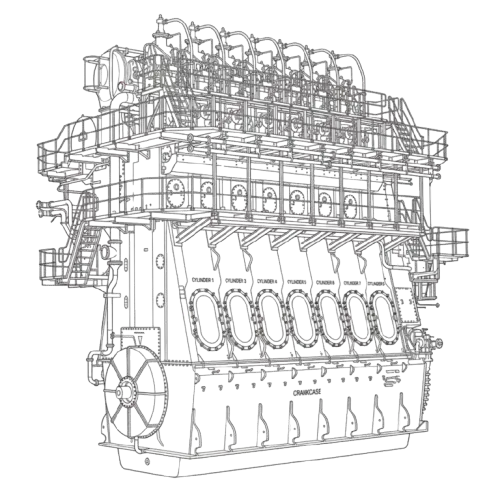


When you look at a ship, it looks big and powerful. But in reality, a ship runs because of many small parts working together. Every system on the ship depends on these parts. If even one important part stops working, it can affect the whole ship and create serious problems during the journey. That is why marine spare parts are very important in shipping.
These parts follow a full journey. They are made, stored, sent to ships, used, and then replaced. This complete journey is called the lifecycle of marine spare parts in shipping. It simply means how a part moves from start to end and then gets replaced again. When this lifecycle is managed properly, ships can run smoothly without unexpected delays.
What Are Marine Spare Parts
Ship spare parts include all the components used on a ship. These can be small items like filters and gaskets or bigger parts like pumps, valves, and electrical items. Each part may look small on its own, but it plays an important role in keeping the system running.
Among them, marine engine spare parts are the most important because the engine is what keeps the ship moving. If the engine stops, the ship cannot continue its journey. Ships work in tough conditions like heat, saltwater, pressure, and long operating hours. Because of this, parts slowly wear out and need to be replaced over time. Regular checking helps in identifying problems early.
1. Manufacturing and Sourcing
The lifecycle starts when the parts are made or sourced. Some parts come from original manufacturers, and some come from trusted suppliers who deal in new or reconditioned parts. In real situations, ship owners prefer working with reliable marine parts suppliers because quality matters a lot.
A good marine spare parts supplier makes sure the part is correct, tested, and ready to use. They also ensure proper packaging so the part does not get damaged during transport. In places like Alang, many parts are sourced because a wide range of equipment is available there. Choosing the right supplier helps avoid future issues and ensures smooth operations onboard.
2. Storage and Management
After sourcing, the parts are stored either in warehouses or on the ship. This step may look simple, but it is very important for maintaining the condition of the parts. If parts are not stored properly, they can get damaged even before they are used.
A spare parts management system on ships helps the crew stay organized and avoid confusion. It helps in:
- Knowing what parts are available
- Tracking critical items
- Avoiding shortage at the wrong time
Proper storage also includes keeping parts away from moisture, heat, and dust. When everything is well managed, it becomes easier for the crew to find and use parts when needed. Extend the shelf life of stored mechanical and electrical spares by applying our checklist on proper marine spare parts storage.
3. Ordering the Required Parts
At some point, a part will need replacement, and the crew will place an order. This step needs attention because choosing the correct part is very important. A wrong part can create more problems instead of solving them.
The crew checks the part number, size, and compatibility with the equipment before placing the order. They also check availability and delivery time. Today, many companies use digital systems for ordering, which has made marine spare parts logistics faster and more efficient. Quick and correct ordering helps avoid delays in ship operations.
4. Transportation and Delivery
Once the order is placed, the part begins its journey to the ship. This is one of the most important stages because spare parts often travel long distances across cities or countries. Proper packaging is necessary to protect the parts during this journey.
Delivering parts to a ship is not always easy because ships are always moving. Experienced ship spare parts suppliers plan this carefully. The parts are usually sent to a port and delivered when the ship arrives. This is how marine spare parts are supplied to ships in real situations.
Good delivery planning includes:
- Proper packaging to avoid damage
- Correct documents for shipping
- Timely coordination with port agents
If this step is delayed, it can affect the ship’s schedule, cause downtime, and increase costs.
5. Installation on the Ship
When the part reaches the ship, it is installed by engineers. This step must be done properly because even a good part can fail if it is not installed correctly. Installation requires skill and attention.
Engineers follow proper procedures and make sure everything fits well. While installing marine engine spare parts, correct alignment and fitting are very important. Small mistakes during installation can lead to bigger issues later. Once installed correctly, the part becomes part of the system and starts working smoothly.
6. Maintenance and Monitoring
After installation, the part needs regular care. Maintenance is very important to keep everything running smoothly and avoid sudden failures. Engineers check parts at regular intervals and make sure they are in good condition.
Regular maintenance helps in:
- Increasing part life
- Reducing breakdowns
- Keeping systems running smoothly
Ships follow a planned maintenance system where each part is checked and recorded. This helps in early detection of problems and ensures that marine equipment parts work efficiently for a longer time.
7. Wear and Replacement
Over time, every part wears out. This is natural because of continuous use and harsh conditions at sea. No matter how strong a part is, it cannot last forever.
When a part becomes weak or damaged, it must be replaced at the right time. If replacement is delayed, it can lead to system failure, operational delays, and higher repair costs. At this stage, the lifecycle starts again with sourcing a new part. This continuous cycle is what keeps the ship running without interruption.
Why This Lifecycle Matters
In real life, the lifecycle of ship spare parts plays a big role in keeping ships running smoothly. Ships follow strict schedules, and even a small problem can cause big delays and losses.
Proper planning and management of spare parts help avoid these problems. It ensures that the right parts are available at the right time. It also improves safety and reduces the chances of unexpected breakdowns. A well-managed system gives confidence to ship owners and crew.
Final Thoughts
In the end, a ship may look strong from the outside, but its real strength comes from the small parts inside it. The lifecycle of marine spare parts is what keeps everything moving day after day.
When these parts are managed properly, the ship can run safely, efficiently, and without trouble. Understanding this lifecycle helps everyone involved make better decisions and keep operations smooth.