

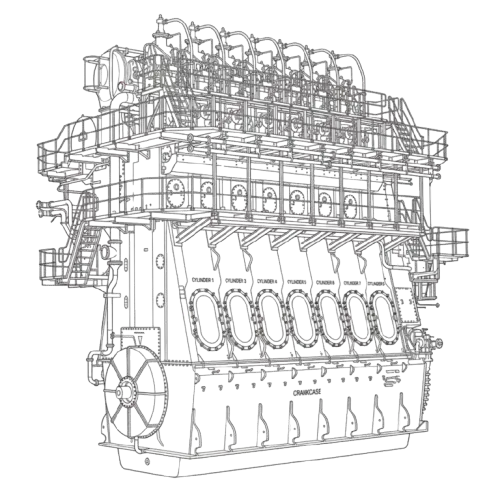

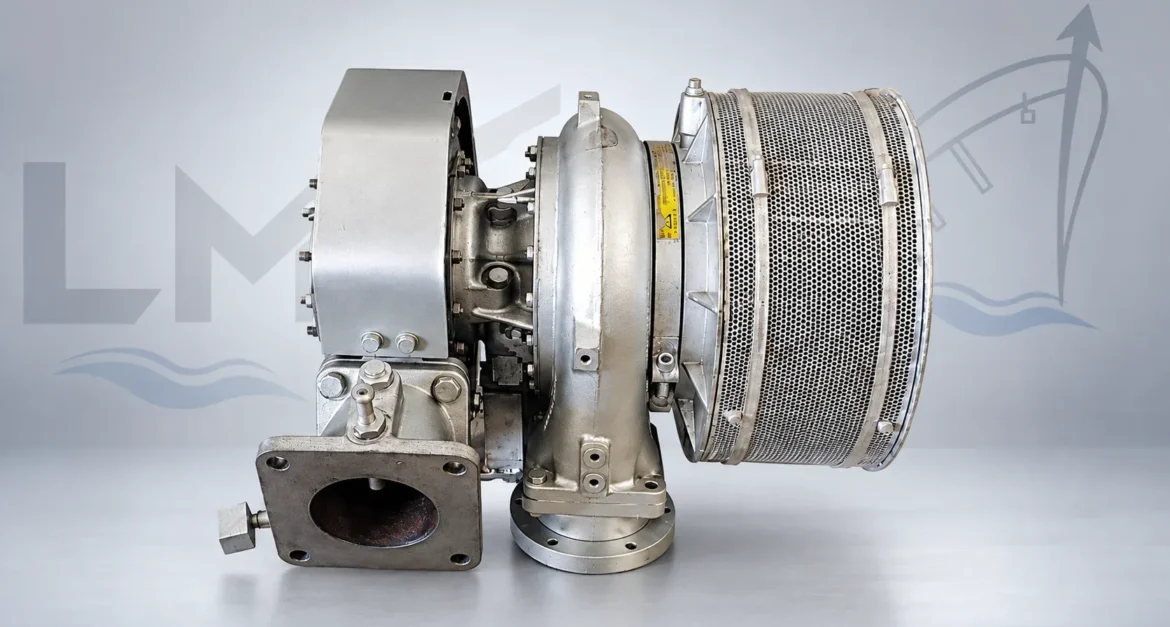
Marine diesel engines require efficient airflow to deliver reliable power, fuel efficiency, and consistent performance. A turbocharger plays an essential role by using exhaust gas energy to compress incoming air and improve engine combustion.
The ABB TPS 48D01 turbocharger belongs to ABB’s TPS turbocharger series, developed for compatible diesel and gas engine applications, including marine installations.
For ship owners, marine engineers, and vessel maintenance teams, understanding the ABB TPS 48D01 turbocharger’s working principle, features, and applications is important when selecting or replacing turbocharging equipment.
In this guide, we explore how the ABB TPS 48D01 works, its key components, advantages, maintenance requirements, and important considerations before purchasing.
What Is the ABB TPS 48D01 Turbocharger?
The ABB TPS 48D01 is an exhaust-gas-driven turbocharger designed to increase the air pressure supplied to compatible engines.
It uses energy from hot exhaust gases to drive a turbine connected to a compressor wheel. The compressor increases intake air pressure, allowing more oxygen to enter the engine cylinders.
This process supports efficient fuel combustion and helps the engine achieve its designed power output.
The TPS series is associated with compact turbocharger designs for engine applications requiring reliable air delivery and efficient use of exhaust energy.
However, the exact operating specifications and compatibility of an ABB TPS 48D01 depend on its configuration and the engine manufacturer’s requirements.
How Does the ABB TPS 48D01 Turbocharger Work?
The ABB TPS 48D01 turbocharger operates using two connected sections: a turbine and a compressor.
1. Exhaust Gas Drives the Turbine
Hot exhaust gases produced during engine combustion enter the turbine casing and pass through the nozzle ring.
The exhaust gas energy rotates the turbine wheel at high speed.
2. Compressor Increases Air Pressure
The turbine and compressor wheels are connected by a common shaft.
As the turbine rotates, the compressor draws atmospheric air through the intake system and increases its pressure.
3. Compressed Air Enters the Engine
The compressed air is delivered to the engine’s intake system, typically through a charge-air cooler.
Cooling the air increases its density, allowing more oxygen to enter the combustion chambers.
4. Continuous Turbocharging Process
As the engine continues operating, exhaust gases drive the turbine, maintaining the compression process.
This system helps the engine deliver its intended power and efficiency without requiring a direct mechanical drive from the crankshaft.
Key Features of the ABB TPS 48D01 Turbocharger
The ABB TPS 48D01 offers several characteristics associated with exhaust-gas turbocharging technology.
1. Efficient Air Compression
The turbocharger increases intake air pressure to support the engine’s designed combustion process and power output.
2. Exhaust Energy Utilization
Instead of requiring a direct mechanical drive, the turbocharger uses energy from engine exhaust gases.
This contributes to efficient overall engine operation.
3. Compact Turbocharger Design
The ABB TPS family is designed for integration into compatible engine installations where space and equipment arrangement are important considerations.
4. High-Speed Rotating Assembly
The turbine and compressor operate through a common high-speed rotor assembly, supported by a dedicated bearing system.
5. Marine Engine Compatibility
The ABB TPS 48D01 can be used in marine applications where the specific turbocharger configuration is approved for the installed engine.
Correct matching is essential for reliable performance.
Main Components of the ABB TPS 48D01 Turbocharger
Several components work together to deliver the required airflow.
- Turbine Wheel: Converts exhaust gas energy into rotational motion.
- Compressor Wheel: Compresses incoming air before delivery to the engine.
- Turbine Casing: Directs exhaust gases toward the turbine wheel.
- Compressor Casing: Guides compressed air through the compressor outlet.
- Nozzle Ring: Controls the direction of exhaust gas flow toward the turbine.
- Bearings: Support the high-speed rotating shaft.
- Diffuser: Helps convert airflow velocity into pressure.
These components must operate together within the manufacturer’s specified limits.
Applications of the ABB Turbocharger
The ABB TPS 48D01 is relevant to compatible engine installations that require exhaust-gas turbocharging.
Marine Diesel Engines
Turbochargers are used in marine diesel engines to support combustion efficiency and the required power output.
Marine Auxiliary Engines
Compatible auxiliary engines used for onboard power generation may also employ turbocharging systems.
Industrial Engine Applications
The ABB TPS turbocharger family also serves compatible industrial diesel and gas engine applications.
Important: The suitability of the TPS 48D01 for any specific engine must be confirmed using the engine manufacturer’s specifications and the turbocharger identification details.
Common ABB TPS 48D01 Turbocharger Problems
Like other marine turbochargers, the ABB TPS 48D01 may experience performance problems due to operating conditions, contamination, or mechanical deterioration.
Low Charge-Air Pressure
Dirty air filters, compressor deposits, intake leakage, or turbine contamination can reduce charge-air pressure.
Unusual Noise or Vibration
Abnormal noise may indicate rotor imbalance, bearing deterioration, blade damage, or compressor surging.
Excessive Exhaust Temperature
Restricted airflow, engine overloading, or combustion-related problems may contribute to higher exhaust gas temperatures.
Lubrication Problems
Incorrect oil supply, contamination, or lubrication failure can damage the turbocharger’s bearing system.
These symptoms require proper diagnosis before determining whether repair or complete turbocharger replacement is necessary.
Maintenance Tips for ABB TPS 48D01 Turbocharger
Regular maintenance helps maintain reliable turbocharger performance.
1. Monitor operating conditions: Check charge-air pressure, exhaust temperature, lubricating oil conditions, and abnormal vibration.
2. Inspect air filters: Keep the intake system clean to maintain proper airflow.
3. Check compressor cleanliness: Remove deposits using approved cleaning methods.
4. Monitor lubrication: Ensure the bearing system receives the correct oil supply.
5. Inspect turbine components: Check for deposits, erosion, and visible damage during scheduled maintenance.
6. Follow manufacturer instructions: Use the applicable ABB operating manual for maintenance procedures and inspection intervals.
Proper maintenance helps reduce unexpected downtime and supports long-term equipment reliability.
When Should You Consider Replacing an ABB TPS 48D01 Turbocharger?
In some situations, replacing the complete turbocharger may be more practical than repairing individual components.
Replacement may be considered when:
- Major turbine or compressor damage is identified.
- The rotor assembly has sustained significant mechanical damage.
- Extensive internal damage makes repair uneconomical.
- The existing turbocharger cannot meet the engine’s required operating performance.
- A qualified inspection determines that complete replacement is necessary.
Before purchasing a replacement unit, verify the turbocharger model, HT number, engine application, and installation requirements.
Where to Buy an ABB TPS 48D01 Turbocharger?
Finding the correct marine turbocharger is important for engine reliability and maintenance planning.
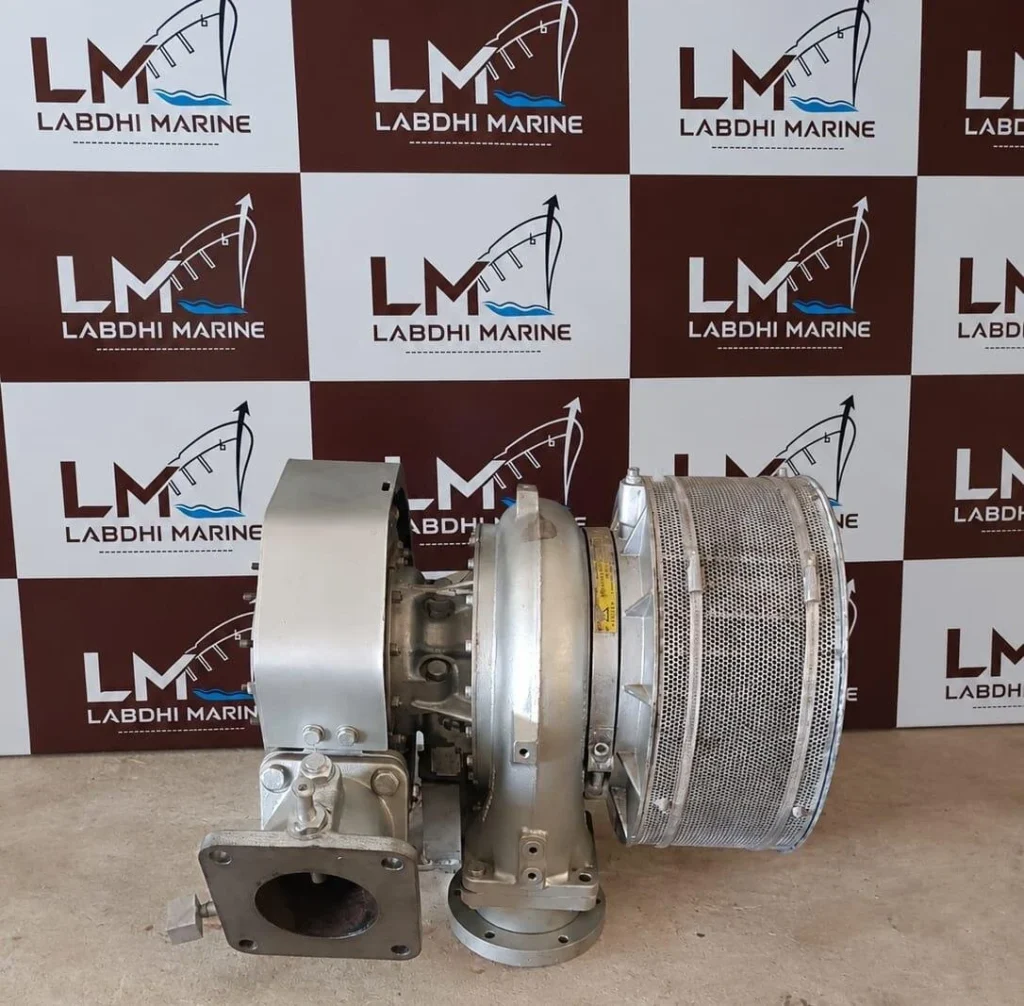
At Labdhi Marine, customers can enquire about the ABB TPS 48D01 turbocharger for their marine equipment requirements.
Before placing an order, provide the following details:
- Turbocharger model: ABB TPS 48D01
- HT number or identification details
- Engine make and model
- Required quantity
- Any relevant technical specifications
Providing accurate information helps confirm product suitability and availability.
Looking for an ABB TPS 48D01 Turbocharger?
Explore the product at Labdhi Marine and submit your requirements for pricing, availability, and technical compatibility.
View ABB TPS 48D01 Turbocharger
Frequently Asked Questions
1. What is the ABB TPS 48D01 turbocharger used for?
It compresses intake air for compatible diesel and gas engines using exhaust gas energy, supporting efficient combustion and engine performance.
2. How does the ABB TPS 48D01 turbocharger work?
Exhaust gases rotate a turbine connected to a compressor wheel. The compressor increases the pressure of air supplied to the engine.
3. Is the ABB TPS 48D01 suitable for marine engines?
It may be suitable for marine engines designed to use the relevant TPS 48D01 configuration. Compatibility must be verified for the specific installation.
4. What are common ABB TPS 48D01 turbocharger problems?
Common issues include reduced charge-air pressure, compressor contamination, abnormal vibration, bearing wear, and lubrication-related problems.
5. Where can I buy an ABB TPS 48D01 turbocharger?
You can enquire about the ABB TPS 48D01 turbocharger through Labdhi Marine by providing your equipment details and purchasing requirements.
Conclusion
The ABB TPS 48D01 turbocharger plays an important role in supporting efficient combustion and reliable engine performance in compatible marine and industrial applications.
Understanding its working principle, features, applications, and maintenance requirements helps ship operators and marine engineers make informed equipment decisions.
When purchasing a replacement turbocharger, confirming the correct model and technical compatibility is essential.