


The global shipping industry keeps the world moving. From raw materials to finished products, nearly everything travels across oceans on ships. But what keeps these vessels running smoothly behind the scenes? One of the most crucial factors is the timely delivery of marine spare parts.
The journey of spare parts—from warehouse to vessel—is a carefully coordinated process. It involves marine logistics, marine procurement, managing spare parts inventory, and executing efficient port delivery services. Each stage directly supports vessel maintenance and ensures that ships operate safely and on schedule.
The Importance of Marine Spare Parts
Ships operate in harsh conditions, battling salty water, high humidity, long hours, and heavy loads. Components wear out over time, and even minor malfunctions can lead to major delays or safety risks.
Vessel maintenance relies heavily on the timely availability of parts. Without a proper supply, routine checks and repairs can become emergencies, and unexpected breakdowns may cost ship owners both time and money.
This is where marine spare parts logistics comes into play. It ensures that vessels, regardless of their location, receive the right parts quickly and reliably.
The Role of Marine Equipment Supplier
At the beginning of the journey is a reliable marine equipment supplier. Suppliers are more than just sellers—they are partners in keeping vessels operational.
A trusted marine spare parts supplier guarantees:
- High-quality, genuine parts
- Accurate specifications and compatibility
- Fast and efficient delivery
- Global sourcing and support
The relationship between ship operators and their suppliers is critical. A dependable supplier reduces the risk of delays, faulty components, and unnecessary downtime.
Spare Parts Inventory Management
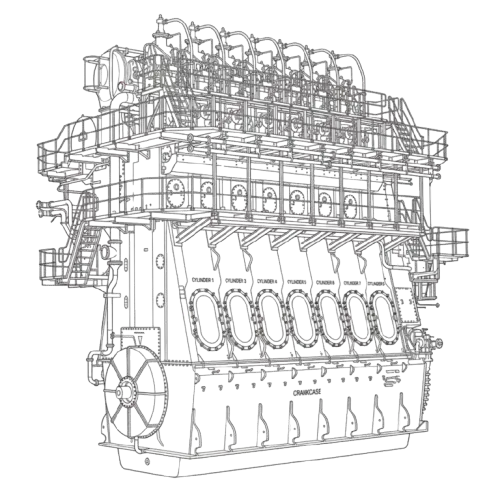
Efficient spare parts inventory management is the backbone of the process. Marine warehouses often store thousands of different components, ranging from small gaskets to large engine parts. Proper inventory management ensures that parts are easy to locate, ready for dispatch, and available when required.
Modern inventory systems use digital tracking to monitor stock levels in real time, identify slow-moving or critical items, and forecast future needs. This level of organization strengthens the entire marine supply chain and helps prevent emergency shortages.
Marine Procurement Process
When a vessel identifies a need, the marine procurement process begins. This step is crucial because even a slight mistake in ordering can cause delays or mismatches.
Procurement teams work to:
- Identify the exact part required
- Verify technical specifications and compatibility
- Source the part from reliable suppliers
- Place orders efficiently
Sourcing critical ship spares often involves tight turnaround times, fluctuating global logistics, and strict class compliance hurdles. Learn how fleet managers resolve these supply bottlenecks by reviewing the challenges in marine spare parts procurement and best practices for vendor selection.
Order Processing and Packaging
Once an order is confirmed, the supplier prepares the spare parts for shipment. This step may seem simple, but attention to detail is vital.
Parts must be:
- Packaged securely to avoid damage
- Labeled clearly with part numbers and specifications
- Accompanied by proper documentation for transport and customs
These preparations ensure that parts reach their destination safely and are ready for immediate use, minimizing downtime for the vessel.
Marine Logistics and Transportation
Transporting marine spare parts is a complex task managed through marine logistics. The mode of transport is chosen based on urgency, cost, and distance.
- Air freight is ideal for urgent deliveries but can be expensive.
- Sea freight is cost-effective for bulk shipments but takes longer.
- Road transport is typically used for local deliveries to ports.
Efficient logistics ensures that the supply chain runs smoothly and parts reach vessels without unnecessary delays.
Customs Clearance and Documentation
International shipments must pass through customs, which can be time-consuming if not handled properly.
Accurate documentation—including invoices, packing lists, and compliance certificates—ensures smooth clearance. Experienced suppliers handle this step carefully, reducing the risk of delays and keeping vessels on schedule.
Port Delivery Services
After arriving at the destination, port delivery services take over. Ports are busy environments, and timing is critical.
Delivery teams coordinate with port authorities, arrange transport within the port, and ensure that parts reach the vessel promptly. A small delay at this stage can have a ripple effect on the vessel’s operations. Efficient port delivery ensures that the supply chain’s final step is smooth and reliable.
Final Delivery to the Vessel
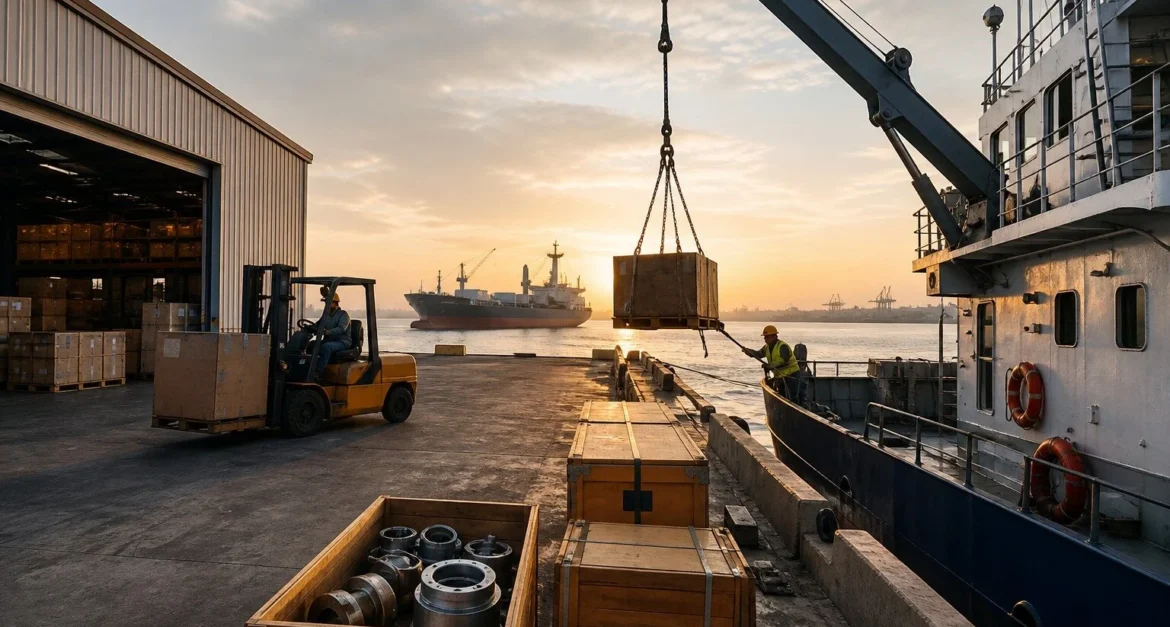
The last step is delivering spare parts directly to the vessel. Depending on the port and location, this may involve dock delivery, barges, or launch boats.
Once onboard, the crew verifies the parts and begins installation. This marks the completion of a well-orchestrated journey—from warehouse to vessel.
Supporting Vessel Maintenance
Timely delivery of spare parts is critical for vessel maintenance. Routine maintenance, preventive repairs, and emergency fixes all depend on having the right parts available.
A strong supply chain reduces operational risks, prevents downtime, and helps crews maintain vessels at peak performance. This, in turn, ensures safety, efficiency, and longevity of the ship.
Challenges in Marine Spare Parts Logistics
Despite careful planning, the journey of marine spare parts faces challenges:
- Delays in transportation due to weather or operational issues
- Incorrect or damaged parts
- Stock shortages at warehouses
- Customs clearance complications
- Communication gaps between suppliers, ports, and vessels
Addressing these challenges requires strong coordination, reliable partners, and proactive planning.
Role of Technology in Marine Logistics
Technology is revolutionizing marine logistics. Real-time tracking, digital inventory management, and automated procurement systems help improve accuracy and reduce delays.
Predictive analytics can forecast parts demand, while AI-powered systems optimize supply chain decisions. These innovations make marine spare parts logistics faster, more reliable, and cost-effective.
Importance of a Strong Marine Supply Chain
A strong marine supply chain connects warehouses, suppliers, transport systems, ports, and vessels seamlessly.
It ensures:
- Faster deliveries
- Better inventory control
- Lower operational costs
- Higher reliability
In today’s competitive global shipping industry, a well-managed supply chain is a significant advantage for shipping companies.
Choosing the Right Marine Spare Parts Supplier
A reliable marine spare parts supplier is more than just a vendor—they are a partner in keeping ships operational.
When selecting a supplier, consider:
- Industry experience
- Product quality and authenticity
- Speed and reliability of delivery
- Global sourcing capabilities
- Support for urgent requirements
A dependable marine equipment supplier ensures that vessels receive the right parts when they need them most.
Conclusion
The journey of marine spare parts—from warehouse to vessel—is a vital process that keeps the global shipping industry moving. From marine procurement and spare parts inventory management to marine logistics and port delivery services, every stage matters.
Efficient marine spare parts logistics not only supports vessel maintenance but also reduces downtime, ensures safety, and strengthens the overall marine supply chain.
In a demanding and fast-paced industry, having a reliable marine spare parts supplier and a well-organized supply chain is not just important—it’s essential for success. Every part delivered, no matter how small, plays a crucial role in keeping ships sailing smoothly across the world.