


The Real Situation in Marine Purchasing
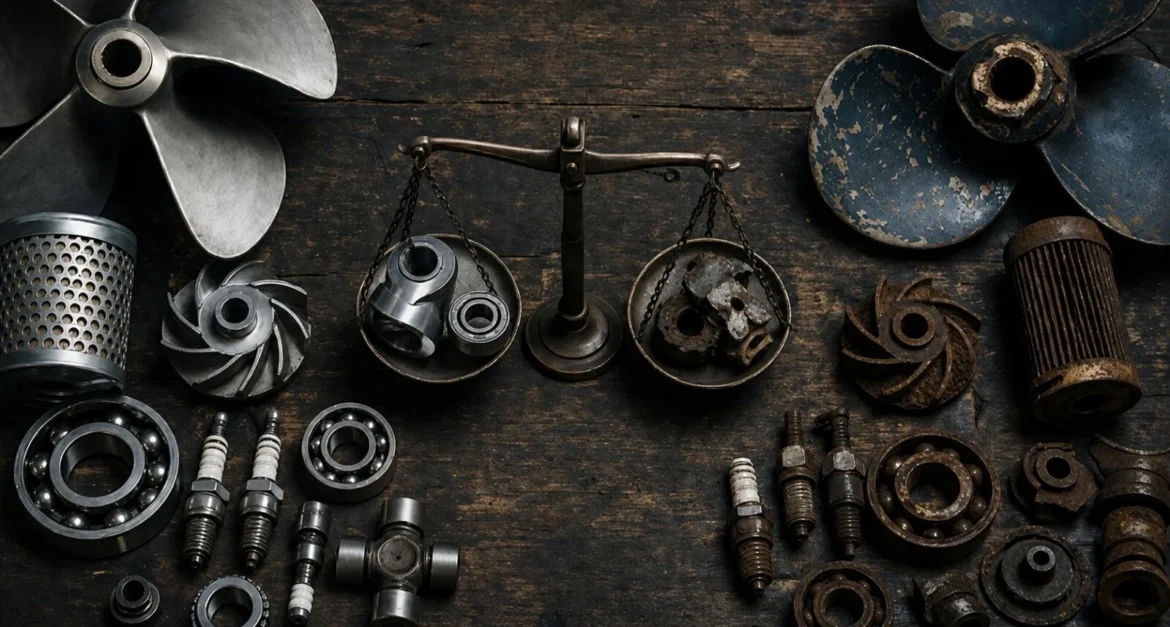
When you are working in the marine industry, one common situation always comes up. You have to choose between a lower cost spare part and a better quality one. At first, saving money feels like the right decision because it helps control spending. But in real ship operations, this choice is not so simple. What looks like a small saving today can turn into a bigger problem later.
Every purchase decision in shipping has a long-term effect. Spare parts are not used once and forgotten. They stay inside the system and work continuously. That is why this decision should not be rushed. It should be based on how the part will perform over time, not just how much it costs today.
Why Spare Parts Matter So Much
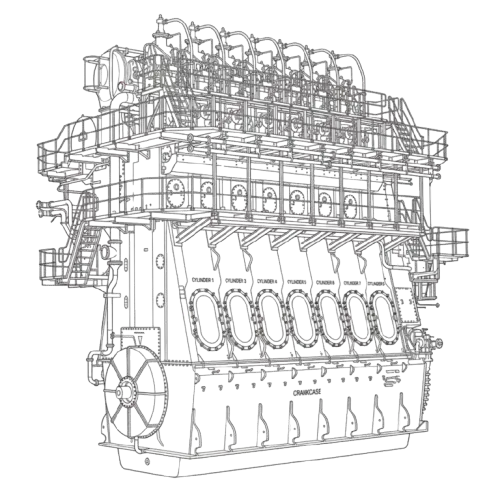
Spare parts on a ship are not just simple items. Every part has a role in keeping the system running. Even a small part can affect the entire operation. When a ship is at sea, there is no easy way to fix problems quickly. That is why the quality of spare parts becomes very important.
A failure of one part can disturb other connected systems. For example, a small leak or poor fitting can affect engine efficiency and increase wear on other components. This creates a chain reaction. So spare parts are not independent items, they are part of a complete working system.
Why Cost Becomes the First Priority
In shipping, cost control is always important. There are many expenses like fuel, crew, and maintenance. So it is natural for buyers to look for cheaper options when sourcing spare parts. Comparing prices and choosing the lowest one feels like a smart move because it helps manage budgets and reduce spending.
Many times, spare parts from different suppliers look the same from the outside. This makes it even harder to decide. Buyers often assume that if two parts look similar, they will perform the same. But in reality, internal quality, material strength, and manufacturing standards can be very different.
People usually choose low-cost parts because:
- It reduces immediate expense
- It helps stay within budget
- It is easily available
- It looks similar to higher-priced parts
The Hidden Problems with Low-Cost Parts
Low-cost spare parts often come with hidden issues. They may work fine at the beginning, but after some time problems start to appear. The part may wear out faster or may not perform properly under pressure. Small issues slowly become bigger ones, leading to repairs, delays, and sometimes breakdowns.
These parts are often made with lower-grade materials or without proper testing. Because of this, they cannot handle real working conditions for long. In a marine environment where conditions are tough, this becomes a serious issue. The part may fail when it is needed the most.
Common problems seen with cheap parts:
- Faster wear and tear
- Poor fitting or mismatch
- Lower strength under pressure
- Frequent need for replacement
- Higher chances of failure
The Real Cost of Failure
When a part fails, the real cost becomes visible. There is loss of time, extra workload for the crew, and sometimes operational delays. In some cases, it can even affect safety. So the money saved at the start does not remain a saving anymore. It turns into extra expense.
The cost is not only financial. It also affects planning and operations. Delays can disturb schedules and create pressure on the entire system. Crew members may have to work extra hours to fix the issue, which increases stress and reduces efficiency.
Failures can lead to:
- Delay in operations
- Extra repair cost
- Increased crew workload
- Loss of efficiency
- Safety risks
What Quality Actually Means
Quality spare parts are built to handle real working conditions. They last longer and perform more reliably. A good part fits properly, works smoothly, and reduces the chances of sudden failure. This gives confidence to engineers and helps maintain stable operations.
Quality also means consistency. A reliable part performs the same way over time without creating unexpected issues. It supports the system instead of disturbing it. This stability is very important in marine operations where continuous performance is required.
Benefits of good quality parts:
- Longer working life
- Stable performance
- Better fitting and compatibility
- Less maintenance required
- Higher reliability
Price vs Value in Marine Operations
The important thing to understand is the difference between price and value. Price is what you pay once, but value is what you get over time. A cheaper part may cost less at the beginning but may need frequent replacement. A better quality part may cost more but works longer without problems, making it more economical in the long run.
When you calculate total cost, you should include replacement, maintenance, downtime, and effort. When all these are considered, quality parts usually prove to be more cost-effective. This is why experienced buyers focus on value instead of just price.
Challenges When a Part Fails at Sea
Failure at sea is very different from failure on land. When something goes wrong on a ship, it creates pressure on the crew and affects operations immediately. There is no quick replacement available. Even a small issue can slow down work and create stress, which is why reliability becomes more important than cost.
In such situations, even a minor delay can affect the entire voyage. It can change schedules, increase fuel consumption, and create operational challenges. That is why marine professionals always prefer parts that they can trust in real conditions.
When Cost Can Still Be Considered
Cost should not always be ignored. There are situations where lower-cost parts can be used, such as for non-critical components, backup stock, or short-term use. But for important systems like main engines or safety equipment, quality should always come first.
The key is to understand where risk is acceptable and where it is not. Using cheaper parts in non-critical areas can help control budget without affecting overall safety. But this decision should always be taken carefully.
You can consider cost in cases like:
- Non-critical spare parts
- Temporary replacements
- Backup inventory
- Short-term operations
Refurbished Parts as a Practical Option
Refurbished spare parts are commonly used in the marine industry. These parts are checked, repaired, and tested before use. They can be a good option when sourced from a trusted supplier. The main focus should always be on reliability, whether the part is new or refurbished.
If refurbished parts are properly handled, they can offer good performance at a lower cost. But if they are not tested or verified, they can create problems. So the quality of refurbishment is very important.
The Importance of Choosing the Right Supplier
The supplier plays a very important role in this process. A reliable supplier provides clear information, ensures proper condition of parts, and helps in making the right decision. At Labdhi Marine, the focus is always on supplying parts that are dependable and ready to perform in real conditions.
A good supplier does not just sell parts. They support the buyer with correct information and guidance. This helps in avoiding wrong decisions and ensures better performance on the ship.
A good supplier will:
- Provide tested or genuine parts
- Share clear product details
- Offer proper support
- Maintain transparency
- Help in selecting the right part
Simple Checks Before Buying
Before purchasing, a few simple checks can help avoid problems. The part should look properly finished and strong, the part number should match, and it should be confirmed if the part has been tested. The supplier should also be clear and transparent about the product.
These basic steps may look simple, but they can prevent major issues later. Taking a little extra time before buying can save a lot of time and cost in the future.
Basic checks to follow:
- Confirm part number
- Check physical condition
- Ask for testing details
- Verify supplier credibility
- Compare quality, not just price
The Risk of Duplicate Parts
The market has many duplicate parts that look similar to original ones but do not perform well. These are often sold at lower prices but fail quickly. Using such parts can damage equipment and increase risk, which is why it is always better to choose trusted sources.
These parts are difficult to identify without proper knowledge. That is why buyers should always be careful and avoid deals that look too cheap. Trust and reliability are more important than saving a small amount.
A Balanced Approach to Cost and Quality
A practical way to manage this is by balancing cost and quality based on importance. Critical parts should always be of good quality, while less critical parts can be managed with a balance of both. This approach helps control cost without increasing risk.
This method allows better planning and smarter purchasing. Instead of choosing blindly, decisions are made based on usage and importance. This improves both safety and cost control.
Final Thoughts
In marine operations, reliability is more important than short-term savings. A single part can affect the entire system. Choosing the right spare part is not just about cost, it is about ensuring smooth and safe operation.
In the end, the better question is not which part is cheaper, but which part will work properly when needed. Because in shipping, one small failure can stop everything.