

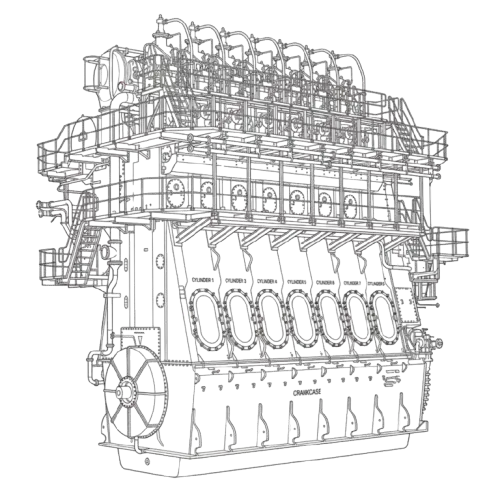

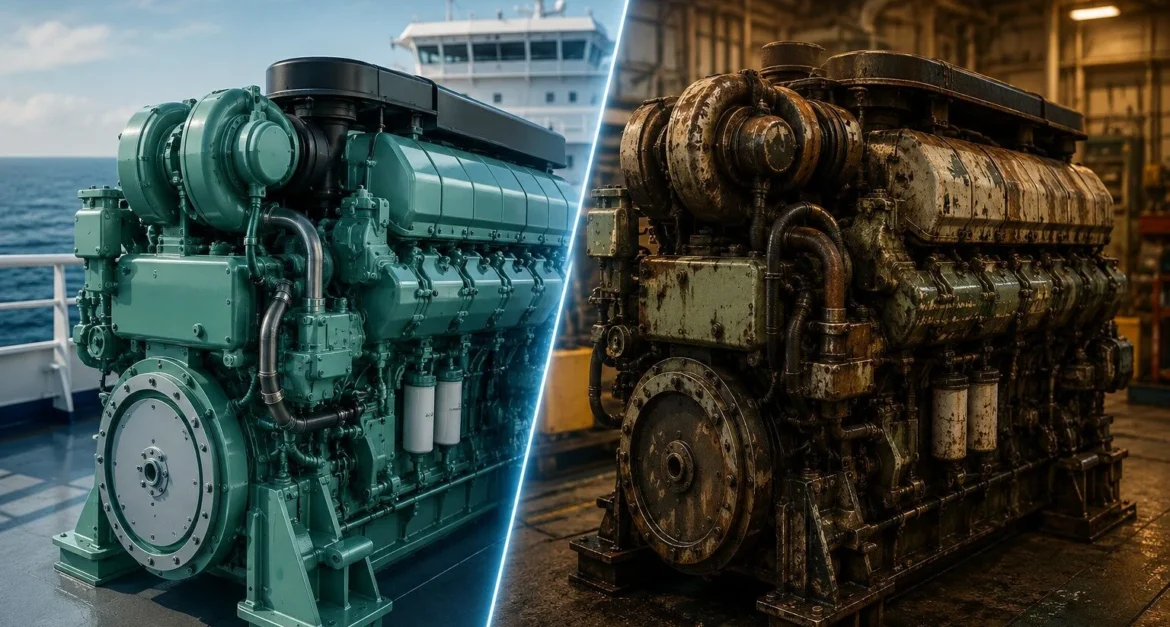
When purchasing marine machinery, one of the biggest decisions buyers face is choosing between new and reconditioned equipment. New machinery offers the latest technology and warranty support but comes at a significantly higher cost. On the other hand, reconditioned machinery provides excellent performance at a fraction of the price — making it a genuinely compelling option for operators who know where to look and what to demand from their marine equipment supplier.
For shipping companies aiming to reduce operational costs, reconditioned marine machinery is often the smarter choice. When sourced from a trusted supplier, these machines undergo rigorous testing and refurbishment. This guide breaks down the real trade-offs, hidden costs, and warning signs — so you can make a decision you won’t regret.
Understanding the Market: What’s Actually Out There
The global marine industry is vast, and the secondary market for used marine equipment for sale has grown substantially over the past two decades. Aging fleets, retiring vessels, and the constant churn of upgrades mean that high-quality used machinery regularly enters the market.
When you browse listings for marine equipment for sale, you’ll typically encounter three distinct categories:
New Equipment
Manufactured to current specs with full OEM warranties, sourced directly from manufacturers or authorized distributors. Highest price range.
Refurbished Machinery
Disassembled, inspected, repaired and restored. Quality refurbished machinery is tested under load and certified by a qualified engineer. Mid-range price.
Used As-Is
Second-hand equipment in current condition, often without testing or certification. Lowest cost but highest risk — suited mainly for experienced parts buyers.
The Case for New Marine Machinery
There are scenarios where buying new is not just preferable — it’s the only sensible choice. Understanding when new equipment justifies its premium helps you allocate your budget intelligently.
Full Warranty and Manufacturer Support
The most obvious advantage of new marine machinery is the warranty. OEM warranties on new marine engines, propulsion systems, pumps, and auxiliary equipment typically run between one and five years. During this period, defects in materials or workmanship are covered, dramatically reducing your risk exposure. When you purchase new from an authorized marine equipment supplier, you gain direct access to the OEM’s engineering team, technical documentation, and software updates.
Latest Technology and Compliance
Emissions regulations governing the marine industry have tightened considerably. IMO Tier III compliance, sulfur emission limits, and energy efficiency requirements are reshaping what vessels need to operate legally. New marine machinery is built to current standards from the ground up. Reconditioned older equipment may meet mechanical requirements but fall short of current environmental regulations — depending on your trading routes, this could create expensive compliance problems after purchase.
Predictable Performance and Lifespan
With new equipment, there are no unknown hours, no hidden wear patterns, and no ambiguity about service history. Planned maintenance intervals are clean, and the projected lifespan is at its maximum. Fleet operators managing large numbers of vessels particularly value the standardization that comes with sourcing new equipment consistently.
Lower Initial Maintenance Burden
New machinery typically requires minimal intervention in its early years beyond routine scheduled maintenance. This reduces the labor cost and downtime associated with ownership during the early phase of the asset’s life.
The Case for Reconditioned Marine Machinery
For many operators, refurbished machinery and used marine equipment for sale represent the smarter financial decision — sometimes dramatically so. The stigma around reconditioned equipment in the marine industry is often undeserved, particularly when sourced through reputable marine equipment suppliers.
Cost Savings That Change the Business Case
The most compelling argument for reconditioned marine machinery is price. Buyers can expect to pay anywhere from 30% to 70% less than the new equivalent — on high-value items like a reconditioned marine diesel engine or propulsion motor, this can mean savings of hundreds of thousands of dollars. For smaller operators and developing market fleets, this cost differential is often what makes ownership viable. The money saved can be redirected toward essential marine spare parts inventory, crew training, or hull maintenance.
Availability and Lead Times
New marine equipment, particularly for large or specialized vessels, is frequently subject to lead times of six months or beyond. When a vessel is out of service, every day represents lost revenue. The market for used marine equipment for sale operates on an entirely different timeline — reputable dealers with reconditioned stock can often ship within days to weeks. A well-stocked marine equipment supplier with tested, certified reconditioned inventory can get a vessel back in service far faster than waiting for a new OEM order.
Proven Reliability in Specific Applications
A reconditioned marine engine that logged 15,000 hours on a similar vessel before being rebuilt has demonstrated it can handle the demands of that operation. Experienced marine engineers have deep familiarity with older proven designs — they know their quirks, wear patterns, and failure modes. Maintaining well-understood older marine machinery can be more straightforward than troubleshooting modern electronically-complex new systems.
Supporting the Circular Economy
Reconditioning and reusing marine machinery rather than manufacturing new equipment represents a significant reduction in carbon footprint, energy consumption, and raw material use. Choosing refurbished machinery is also often a choice to support skilled local engineering workforces who specialize in marine reconditioning.
Critical Factors When Evaluating Reconditioned Equipment
Not all reconditioned marine machinery is equal. The difference between a successful purchase and an expensive mistake often comes down to the depth and quality of the reconditioning process, and the integrity of the marine equipment supplier involved.
What Should Reconditioning Actually Include?
A thorough reconditioning process for a marine engine or major machinery component must include all of the following steps. If a supplier cannot confirm each one, walk away.
Sourcing Ship Spare Parts for Reconditioned Machinery
One of the most important questions when evaluating reconditioned marine machinery is the ongoing parts situation. For modern equipment still in production, sourcing ship spare parts is straightforward. But for discontinued engine models or legacy systems, availability can become a significant constraint.
Before purchasing, research the parts supply chain carefully. Is the OEM still manufacturing this model? Are there aftermarket ship spare parts suppliers serving this platform? A reputable ship spare parts supplier with deep inventory in a specific category is an enormous asset. Some buyers build reconditioned equipment purchases around a trusted ship spare parts supplier — confirming parts supply before committing to the acquisition.
Comparing New vs Reconditioned: A Practical Framework
Rather than declaring a winner, the smarter approach is to apply a decision framework to your specific situation.
Choose New When…
- Regulatory compliance is non-negotiable
- The vessel is a major capital asset or new build
- Long-term OEM service agreements are available
- Financing structures favor new equipment
- You need the latest fuel efficiency technology
Choose Reconditioned When…
- Capital is constrained or budgets are tight
- Lead times are critical and downtime is costly
- Equipment type is mature and well understood
- Qualified marine engineers are on staff
- You’re sourcing from a verified, trusted supplier
Vetting Your Marine Equipment Supplier
Whether buying new or reconditioned, the relationship with your marine equipment supplier is central to the outcome. Established marine equipment suppliers like Labdhi Marine distinguish themselves through transparent processes, documented reconditioning standards, and a track record of meeting international quality benchmarks — setting the bar for what serious buyers should expect.
When evaluating any supplier, consider these six criteria:
Total Cost of Ownership: The Number That Actually Matters
Purchase price is just one component of the total cost of ownership (TCO) equation. Experienced marine operators evaluate acquisitions on the full cost picture over the expected service life of the equipment.
| Cost Factor | New Equipment | Reconditioned Equipment |
|---|---|---|
| Acquisition Cost | Full OEM price; higher upfront investment | 30–70% less; frees capital for other needs |
| Maintenance Cost | Longer intervals; lower consumables early | May have shorter intervals; depends on reconditioning quality |
| Downtime Cost | OEM parts readily available; risk of long lead times on specialist items | Familiar platforms; ship spare parts supplier relations critical |
| Residual Value | Higher resale value; better loan-to-value ratios | Lower absolute value; often better ROI at lower purchase price |
| Compliance Cost | Built to current standards; no future upgrade cost | May require future upgrades as standards evolve |
The “cheaper” option at purchase isn’t always the cheaper option over time — and the “expensive” new option doesn’t always deliver proportionally better total economics. Run the full TCO calculation before deciding.
Practical Tips for the Buying Process
Regardless of which direction you choose, these practices will consistently improve your outcomes in the marine equipment market.
The Right Tool for the Right Situation
New vs reconditioned marine machinery is ultimately not a question with one universal answer. It deserves a situation-specific answer, informed by a clear-eyed assessment of budget, operational requirements, regulatory context, lead time constraints, and the quality of available supply.
Quality refurbished machinery, when sourced from credible marine equipment suppliers who follow rigorous reconditioning standards, can deliver performance and reliability that rivals new equipment at a fraction of the cost. The robust ecosystem of ship spare parts suppliers supporting both new and legacy platforms makes maintaining either option more viable than ever.
What separates successful marine operators from those who make expensive mistakes is not which category they buy from — it is the discipline with which they evaluate their options, vet their suppliers, and make decisions grounded in total cost of ownership rather than purchase price alone. The sea rewards preparation. So does the equipment market.
Your Trusted Marine Equipment Partner
Labdhi Marine ensures that all reconditioned equipment meets international standards, offering both cost efficiency and reliability. Every machine undergoes rigorous testing and refurbishment before it reaches your vessel.
Whether you need new or reconditioned marine equipment, marine engine parts, or hard-to-find ship spare parts — Labdhi Marine has the inventory, expertise, and standards to back your fleet’s performance.
Get in Touch with Labdhi Marine →